Healthcare ⇄ basketball, biomarkers of aging, AI in healthcare, more!

Healthcare through a Kentucky lens. Yeah, it's niche. But neat!

🎆 🌧️ 

Health systems affiliated with universities famous for their sports prestige

Winning the men’s NCAA basketball championship this year has given us a meaningful lift in attention, which we measure in increased viewership, website traffic, social media engagement and content consumption,” said Christine Woolsey, chief communications and marketing officer of Ann Arbor-based Michigan Medicine.

Healthcare and basketball. Commonwealth of Kentucky, where you at?

Biomarkers of aging

Among the fourteen investigated biomarkers of aging, DunedinPACE emerged with the strongest and most consistent association with mortality.

Comparing fourteen consensus biomarkers of aging: epigenetic pace of aging as the strongest predictor of mortality in BASE-II - Biomarker Research

Background In many countries, lifespan has been increasing faster than healthspan, leading to more years spent with late-life disease and highlighting the need for reliable biomarkers to measure biological aging. Methods We used data from the Berlin Aging Study II (BASE-II, 60–80 years of age at baseline, average follow-up 7.4 ± 1.5 years, range 3.9–10.4, n = 1,083) to compare 14 biomarkers of aging recently consented by an expert panel for the use as outcome measures in intervention studies: physiological (insulin-like growth factor 1 (IGF-1), growth-differentiating factor-15 (DNA methylation derived, DNAmGDF15)), inflammatory (high sensitivity C-reactive protein (CRP), interleukin-6 (IL-6)), functional (muscle mass, muscle strength, hand grip strength (HGS), Timed-Up-and-Go (TUG), gait speed, standing balance test, frailty phenotype (FP), cognitive health, blood pressure), and epigenetic (epigenetic clock, DunedinPACE). Cox proportional hazard regression analyses were performed to investigate their role in prediction of all-cause as well as cause-specific mortality. Results were adjusted for age, sex, lifestyle factors, and genetic ancestry. Results In adjusted models of all-cause mortality, HGS, IL-6, standing balance, cognitive health, and the epigenetic clock (DunedinPACE) statistically significantly predicted mortality, with the epigenetic clock (DunedinPACE) emerging as the strongest predictor. CRP, gait speed, IGF-1, blood pressure, muscle mass, DNAmGDF15, FP and TUG were not associated with mortality in this study. These results were corroborated in subgroup analyses stratified by cause of death. Feature selection identified a minimal biomarker set consisting of muscle mass, standing balance, and epigenetic clock (DunedinPACE) that predicted mortality with nearly the same discriminative accuracy (C-index = 0.63) as the full model including all biomarkers (C-index = 0.65). Conclusion Among the fourteen investigated biomarkers of aging, DunedinPACE emerged with the strongest and most consistent association with mortality.

Y’all, DunedinPACE is offered by Lexington-based TruDiagnostic. Pretty cool.

Exposome and aging

We talked about the exposome and brain aging last week, here.

University of Kentucky faculty were involved in the study.
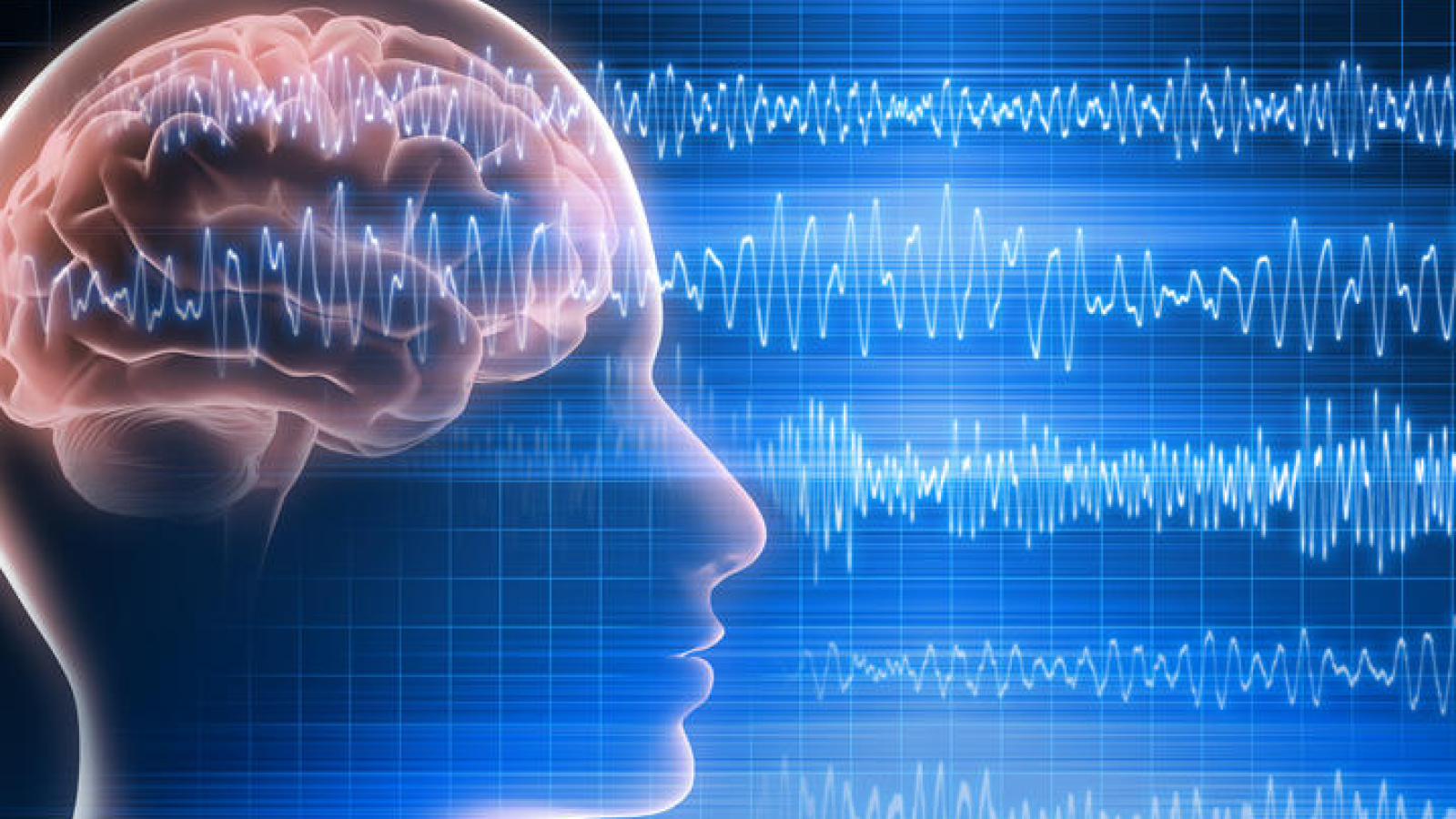
Remember this?
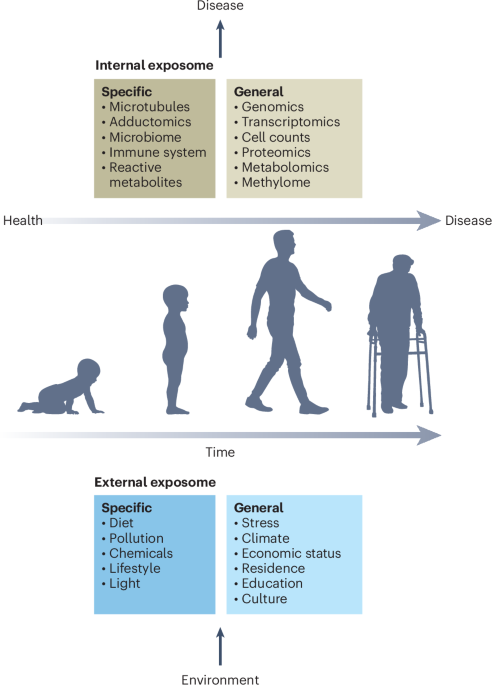
Now read this by Christin Glorioso, MD PhD.

Interesting, huh?

FDA READI-Home Innovation Challenge

Get in there.

AI in healthcare

Interesting take and, of note, two authors are partners at Venrock. This is particularly provocative, I think:

This reorganization poses a challenge and an opportunity for Academic Medical Centers.

AI startup investment in healthcare

From Mapping AI startup investment and innovation in healthcare using a five-tier AI systems complexity framework:

“The maps also highlight the role of economic clusters in supporting AI health startups. In the U.S., for instance, dense clusters around Silicon Valley, Boston, and New York emerged as hubs of innovation, underscoring the advantages of geographical proximity to venture capitalists, research institutions, and specialized industries.”
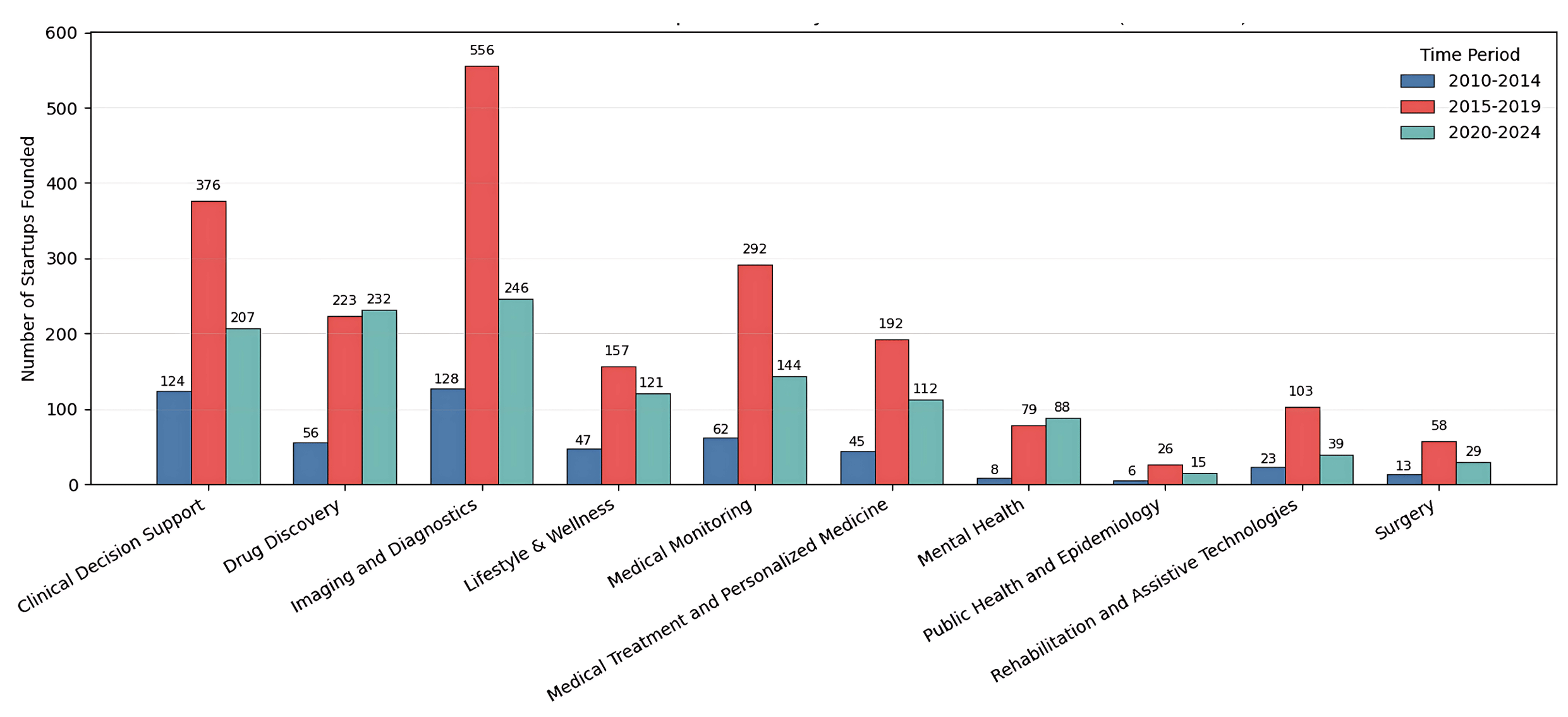
Plug in.
Let’s do this!